

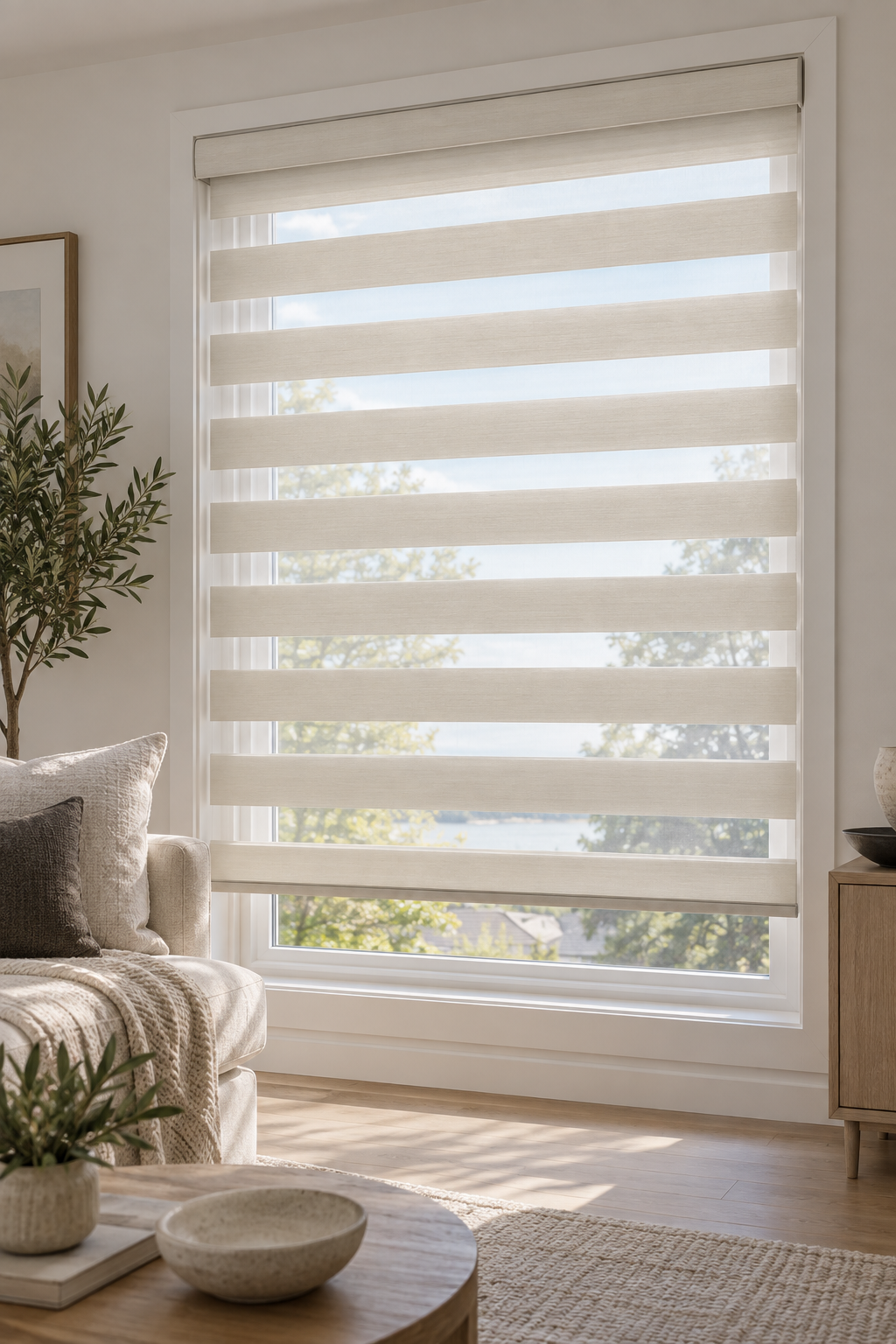
Cellular shades, also called honeycomb shades, can support window comfort by slowing heat transfer through a window. Their pleated, pocketed construction creates an additional air layer between the room and the glass. That may help moderate winter heat loss, reduce the feeling of cold glass, and limit unwanted solar heat gain in warmer conditions.
They are not a guaranteed way to lower energy bills, eliminate drafts, or correct damaged windows. Results depend on the shade’s construction, fit, gaps, glazing, window condition, sun exposure, and operation.
Quick summary

- Cellular and honeycomb shades describe the same general category.
- Internal cells trap air and may add a supplementary insulating layer.
- Potential benefits include improved comfort, reduced heat transfer, glare control, and privacy.
- Accurate measurement, suitable mounting, and regular operation affect performance.
- Persistent drafts, moisture, damaged frames, or faulty glazing need investigation beyond a window covering.
How cellular or honeycomb shades work
Cellular shades are made from pleated fabric folded into connected pockets. Viewed from the side, those pockets resemble a honeycomb. Instead of leaving a single flat layer against the glass, the design creates spaces that can hold air between the room and the window.
That trapped air is why cellular shades are considered energy-efficient window coverings. The shade does not change the window’s glass, frame, or seal. It adds another layer that may moderate heat movement at the opening.
The U.S. Department of Energy’s technical overview of interior cellular shades explains that cells can trap air within the shade and between the shade and window. Some products also use low-emissivity surfaces, although availability and performance depend on the specific product.
Cellular shades can support an existing window system, but they cannot repair a failed seal, replace weatherstripping, or improve damaged glazing.
The realistic insulation benefits of cellular shades

Winter heat loss and cold glass
In winter, a properly fitted cellular shade may reduce heat transfer through the window and make the area near the glass feel more comfortable. This can matter in bedrooms, living rooms, offices, and condos where occupants notice a cold surface or uneven comfort.
Research supports the possibility of reduced heat loss under defined conditions. Pacific Northwest National Laboratory reported that insulating cellular shades helped reduce heat loss in heating-dominated climates, with stronger results in configurations that included a side track and exterior storm windows. Benefits declined as cooling demand increased. Review the PNNL evaluation of cellular shades.
These findings should guide expectations, not predict results for every home. A condo with modern glazing, an older home with air leakage, and an office with large exposed windows may experience different outcomes.
Summer heat, glare, and privacy
Cellular shades may help manage unwanted solar heat entering through windows, particularly when strong sunlight reaches the glass. The practical benefit depends on orientation, shade position, fabric, cell configuration, and consistent use during sunny periods.
A west-facing room with afternoon sun may prioritize solar control and glare. A north-facing bedroom may need comfort near the glass and privacy after dark. Opacity, coverage, mounting, and operation influence how well the shade meets those goals.
It is more accurate to describe cellular shades as a potentially useful supporting measure than as a complete energy solution. Energy use also depends on the building envelope, heating and cooling equipment, thermostat settings, weather, sun exposure, and household behaviour.
What affects performance at the window
Two cellular shades can look similar while performing differently. Consider these factors before choosing:
- Cell construction: Cell layers, pocket design, fabric, and specialty surfaces affect potential performance.
- Fit and gaps: Open space at the sides, top, or bottom can allow air movement.
- Mounting: Inside and outside mounts create different coverage, clearance, and operating conditions.
- Glazing and frame condition: A shade cannot correct a failed seal, damaged frame, poor glazing, or leakage around the window.
- Orientation: Window direction affects winter conditions, morning sun, afternoon heat, and glare.
- Operation: A shade can manage heat and light only when positioned appropriately.
- Room use: Bedrooms, offices, living rooms, and commercial spaces have different privacy and light-control needs.
Avoid assigning one universal insulation rating, savings percentage, or payback period to every cellular shade. Product specifications and complete installation details matter.
When cellular shades are not the fix
Investigate the window itself if you notice a persistent draft, moisture between panes, water intrusion, a damaged frame, deteriorated weatherstripping, or a temperature problem that remains after the shade is closed. These signs may indicate a window, air-leakage, moisture, or building-envelope issue.
Cellular shades should not replace window repairs, weatherstripping, glazing improvements, insulation work, or an energy assessment. If you are unsure whether the concern is cold glass, air movement, glare, or heat, describe the symptom and when it occurs before selecting a covering.
When comparing options, plantation shutters and cellular or honeycomb shades should be assessed for different strengths rather than ranked by a universal insulation claim. Shutters may suit structured appearance, privacy, and adjustable light control. Cellular shades may suit a pocketed, comfort-focused design.
Cellular shades compared with other coverings
The best option depends on the problem you are solving. The table is a starting point, not a performance guarantee.
| Covering | Comfort focus | May suit |
|---|---|---|
| Cellular or honeycomb shades | Pocketed construction may support heat-transfer management. | Comfort, glare, privacy, and a softer profile. |
| Plantation shutters | May contribute to comfort depending on construction and fit. | Structured appearance and adjustable light control. |
| Blackout shades | Depends on fabric, fit, and side gaps. | Bedrooms and rooms where darkness matters most. |
| Roller blinds | Depends on fabric and mounting. | Streamlined contemporary rooms and offices. |
| Roman shades | Depends on fabric, lining, coverage, and mounting. | Spaces where softness and texture matter. |
| Venetian blinds | Depends on material, fit, and slat closure. | Flexible light and privacy adjustment. |
Lavish Blinds offers cellular shades alongside plantation shutters, blackout shades, roller blinds, Roman shades, Venetian blinds, vertical blinds, and motorized or smart blind options. Comparing categories during a design consultation helps separate insulation goals from room-darkening, privacy, appearance, and operating needs.
Choose by the room’s main goal
Bedroom or nursery
Decide whether the priority is warmth near the glass, darkness, privacy, or a combination. Cellular shades may support comfort, while blackout construction may matter more when sleep is the main concern. Ask how much light may enter at the sides.
Sunny living room
For south- or west-facing rooms, consider solar gain, glare, furniture exposure, and afternoon comfort. A covering that manages light may be more useful than choosing based on insulation language alone.
Condo or large window
Pay attention to mounting clearance, handles, trim, screens, shared appearance, and access. Large or unusual openings make professional measurement especially important because small gaps become more noticeable across a wider span.
Office or commercial space
Office window treatments may need consistent appearance, screen privacy, glare control, and convenient operation. Discuss whether the priority is occupant comfort, screen visibility, privacy, or a coordinated finish.
Measurement and consultation checklist
Bring specific observations to the consultation instead of asking only for “better insulation.” Check:
- When is the room uncomfortable: overnight, morning, afternoon, or all day?
- Do you feel moving air, or does the glass simply feel cold?
- Is the priority winter heat loss, summer heat, glare, privacy, darkness, or appearance?
- Which direction does the window face, and when does direct sun reach it?
- Are there signs of moisture, damaged glazing, worn seals, or frame gaps?
- What clearance is available around handles, trim, doors, screens, and furniture?
- What mounting position, coverage, and operating method will be used?
- What improvement is reasonable for this specific window?
- Would another covering better match the room’s main goal?
Why made-to-measure fit matters
Accurate measurement helps match the covering to the window, trim, handles, and available clearance. It also helps identify avoidable gaps and operating issues before ordering. Fit cannot solve a defective window, but it is an important part of a sensible window-covering decision.
Lavish Blinds provides made-to-measure blinds, shades, and shutters with personalized design guidance, free on-site measurements and quotes, and professional installation. Its custom window-covering services can help you compare cellular shades with other options while keeping comfort, light, privacy, and design in view.
Frequently asked questions
Can cellular shades help reduce winter heat loss?
They can support reduced heat transfer and improved comfort near a window, particularly when properly fitted. Results vary with glazing, gaps, installation, and operation, so they should not be presented as guaranteed bill savings.
Do honeycomb shades stop drafts?
No. They may reduce the feeling of cold near the glass, but they do not repair air leakage, failed weatherstripping, damaged glazing, or another building-envelope problem.
Are cellular shades useful in summer?
They may help manage solar heat and glare while supporting winter comfort. Usefulness depends on orientation, exposure, construction, coverage, and operation.
Are cellular shades better than plantation shutters for insulation?
There is no universal winner. Cellular shades offer a pocketed construction, while plantation shutters may better suit structured appearance, privacy, and adjustable light control. Compare specific products and fit.
What should I check before ordering cellular shades for a condo?
Check window condition, mounting clearance, handles, trim, screens, side gaps, operating access, privacy needs, and sun exposure. Ask for professional measurement and realistic expectations.
Decide based on the problem you need to solve
The insulation benefits of cellular shades are worth considering, but they depend on the complete window and installation context. Internal cells can add an insulating layer and may support winter comfort, heat-transfer management, glare control, and privacy.
Start by identifying whether you are dealing with cold glass, air movement, solar heat, glare, darkness, or privacy. Then compare cellular shades with shutters, blackout shades, roller blinds, Roman shades, or Venetian blinds according to that goal. If the window shows damage or leakage, investigate the underlying issue first.
For made-to-measure advice, free on-site measurement and quotes, and professional installation in Oakville and the surrounding Greater Toronto Area, contact Lavish Blinds to compare suitable custom window coverings.